

December 17, 2025
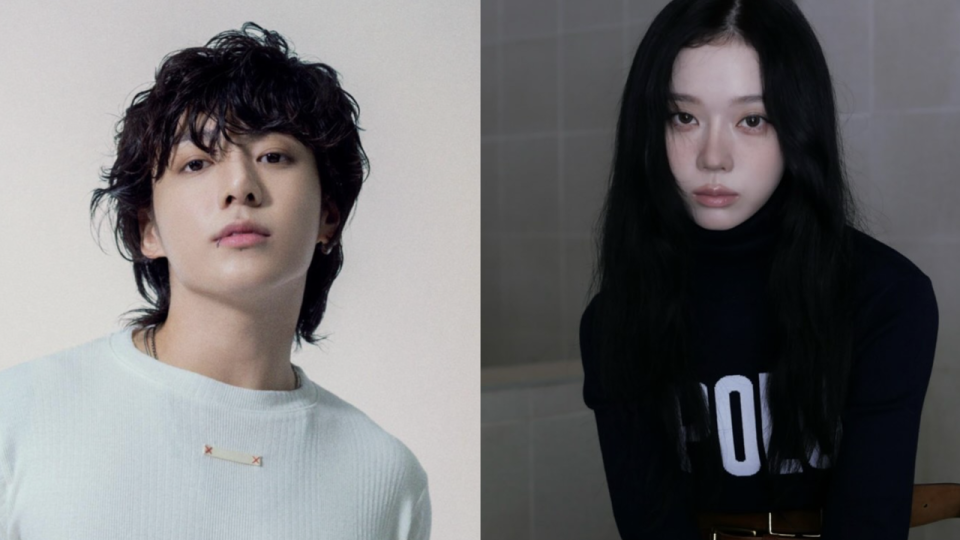
SEOUL – Two of K-pop’s most recognizable stars — Aespa’s Winter and BTS’ Jungkook — have recently come under intense scrutiny, not for their music or performances, but over dating rumors and the silence that followed.
The situation highlights a familiar dilemma for K-pop agencies: When artists’ private lives become public speculation, both confirmation and denial can carry significant risks.
In recent weeks, Jungkook and Winter were swept up in dating rumors circulating online, fueled by unconfirmed claims that the two artists shared similar tattoos, in-ear headphones, nail art and clothing. Neither the artists nor their agencies addressed the speculation.
After days of silence, both artists resumed communication with fans — without mentioning the rumors.
Winter posted a brief message on the fan communication platform Bubble on Saturday, urging fans to stay warm and be careful on icy roads. Jungkook followed a day later with a selfie posted to social media. On Monday evening, he also interacted with fans through a Weverse Live broadcast, where he spoke about wanting to return with new music, once again avoiding any reference to the speculations.
The updates from both artists did little to minimize fans’ anger. Instead, it further fueled frustration among fans, who interpreted the seemingly purposeful silence as avoidance rather than reassurance.
On X, reactions ranged from disappointment to outrage — not over the possibility of dating itself, but over what fans described as a lack of acknowledgment.
“It’s not that (Jungkook) shouldn’t date. I don’t mind if he does,” wrote one X user. “It’s his lack of response that makes me feel he’s becoming increasingly indifferent to how his fans feel.”
Some fans described the agencies’ silence as dismissive.
“It feels like they’re using the silent treatment, hoping that over time we’ll forget rather than directly addressing the issue,” said a 25-year-old BTS fan surnamed Chin. “As a long-time fan, all I want to know is the truth. I want to wish for Jungkook’s happiness, but I can’t do that when I feel like my love and affection for Jungkook and BTS’ success are being ignored.”
From an agency’s perspective, however, responding to dating rumors presents a far more complicated challenge.
K-pop idols are not marketed solely as musicians, but as figures built on emotional engagement, with fandoms forming what experts describe as parasocial relationships through years of perceived closeness and loyalty.
“Within this dynamic, there exists an unspoken assumption among some fans that idols are focused on their careers and their fans,” said music critic Lim Hee-yun. “Officially acknowledging a romantic relationship can disrupt this perception, triggering fan disengagement.”
Beyond emotional reactions, agencies must also consider practical risks, including potential commercial fallout.
“Once dating rumors are officially acknowledged, some fans may feel betrayal or anger and use the situation to justify leaving the fandom, which can ultimately lead to revenue loss,” said an industry official. “Fans also react differently once dating is confirmed, making it difficult for agencies to control the situation.”
Faced with such constraints, many agencies opt for silence, as they deem it the least damaging option.
“Without confirmation or denial, dating rumors often remain at the level of online speculation, allowing fan emotions to cool and extreme reactions to fade over time,” Lim added. “While not all backlash disappears, agencies can limit the issue’s lifespan by refusing to formally engage with it.”
Lim added that silence functions less as avoidance and more as “containment” — a way to prevent rumors from escalating into long-term reputational issues.
“In an industry where emotional connection plays a central role, even unconfirmed rumors can destabilize carefully managed fan-artist relationships,” he said. “Until those structural dynamics change, agencies are likely to continue relying on silence — not because it satisfies fans, but because it minimizes damage.”