

January 22, 2026
DHAKA – Sakrain, the vibrant kite-flying festival of Old Dhaka, is one of the city’s oldest and most cherished seasonal urban traditions. Celebrated for centuries, it has brought joy to generations while embodying the social bonds, cultural identity, and trans-religious spirit that define the historic neighbourhood life of Old Dhaka.
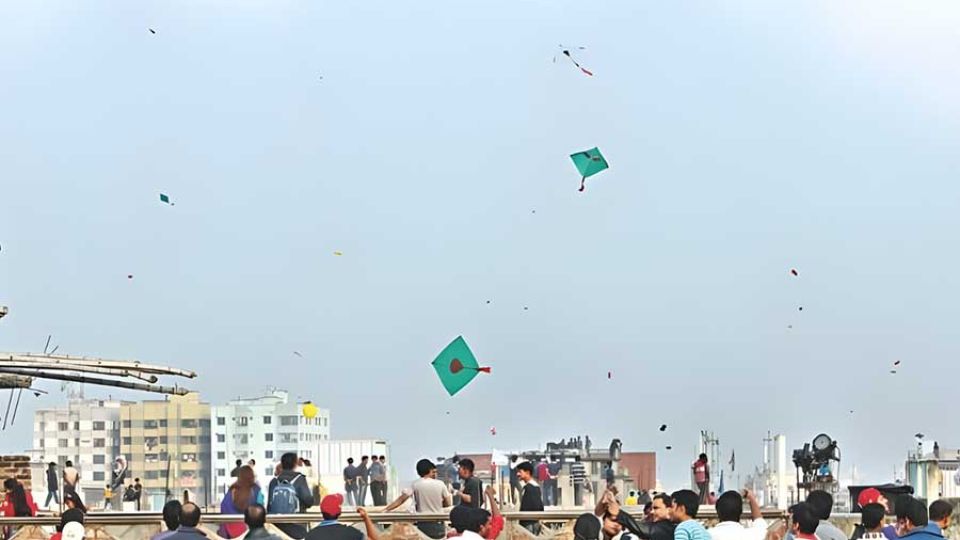
The festival is marked by colourful kite-flying competitions, with vivid kites filling the winter sky and transforming it into a canvas of movement and colour. Deeply intertwined with local customs and Indic cosmology, Sakrain gradually absorbed and creatively adapted diverse rituals over time. The origins of kite flying in Old Dhaka can be traced back to the Mughal era and possibly earlier.
Mughal officials and the Nawabs of Dhaka played a significant role in popularising kite-flying competitions as part of seasonal festivities. Hakim Habibur Rahman noted that kite flying was traditionally associated with harvest celebrations and seasonal transitions. These events were not merely recreational; they were deeply embedded in social ritual and community life, reflecting both local camaraderie and a shared urban identity.
Oral histories provide rich insight into the everyday practices surrounding Sakrain. Local accounts recall that after 1757, Mir Jafar sent his son, Miron, to Dhaka to oversee administrative affairs in certain neighbourhoods. Miron, known for his fondness for kite flying, is often credited with introducing the custom of flying kites on the last day of Poush in those areas.
The Mughal administration also appears to have influenced the ritual dimensions of the festival. Some historical accounts suggest that the final day of the fiscal or tax-collection cycle under Mughal rule coincided with kite-flying events. Young men and boys participated in these aerial contests not only for recreation but also as a celebratory release following the completion of administrative and agricultural obligations.
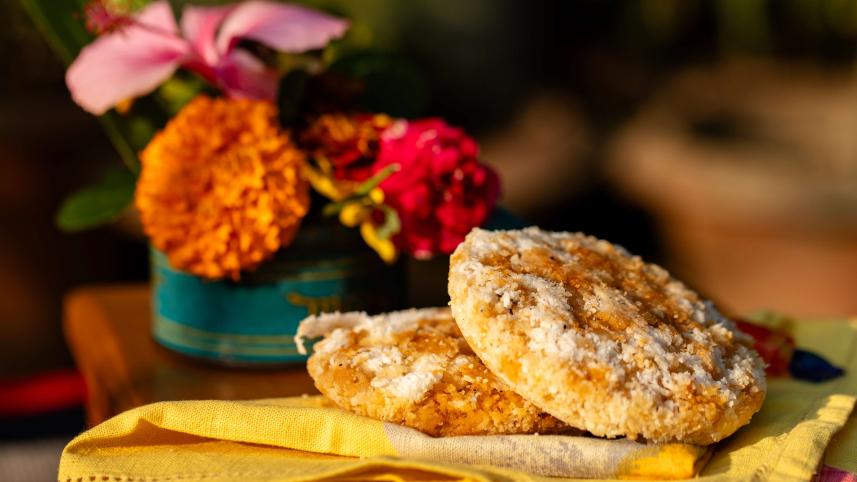
Traditional pitha prepared for Sakrain celebrations in Old Dhaka, where winter festivals are marked by sweetness, colour, and community. PHOTO: THE DAILY STAR
This close integration of civic and cultural life gave Sakrain a distinctive character, reflecting an urban common and a collective identity that set it apart from other South Asian kite festivals.
As the tradition took root in Old Dhaka, familial customs became closely intertwined with public celebration. During the winter holidays, when a son-in-law visited, families would present him with kites and a natai—a specially crafted reel used for kite flying—along with homemade delicacies such as pitha and puli. Over time, these domestic practices evolved into a broader public tradition, woven into the urban fabric through shared festive joy.
On the morning of Sakrain, entire households and their guests would climb onto rooftops to fly kites, engaging in playful rivalry and friendly competition aimed at cutting opponents’ kite strings. While the walls of houses remained distinct, the rooftops of the old city connected them, forging bonds through the crisscrossing strings of kite flying. These practices illustrate how kite flying, even centuries ago, bridged family life and public space, transforming private customs into a collective urban festival.
Over time, Sakrain evolved into a more structured and widely observed event. During the nineteenth and early twentieth centuries, the Nawabs of Dhaka emerged as the principal patrons of kite flying. According to Rahman, the grandest competitions were held in areas such as the Racecourse, Paltan Maidan, and Gendaria Maidan. Participants, often organised into teams, flew elaborately decorated kites adorned with metallic fringes, silk threads, and intricate designs.
The competitive practice, known locally as harif or harifi, centred on cutting an opponent’s kite string—a skill that demanded both precision and strategy. Victorious teams were frequently awarded substantial cash prizes, while midday feasts featuring roast chicken, polao, and other delicacies formed an integral part of the celebration.
Sakrain coincides with Poush Sankranti, the final day of the Bengali month of Poush, a festival imbued with both agrarian and spiritual significance. Historical and cultural sources note that, according to Hindu belief, Poush Sankranti marks Lord Vishnu’s victory over the demon Ashur, symbolising the triumph of light over darkness and the renewal of life as the sun begins its northward journey.
While these religious observances were primarily undertaken by Dhaka’s Hindu communities—through prayers, sacred fires, and the sharing of seasonal sweets—kite flying emerged as a secular and inclusive feature of the festival, bringing Hindus and Muslims together in a shared urban celebration.
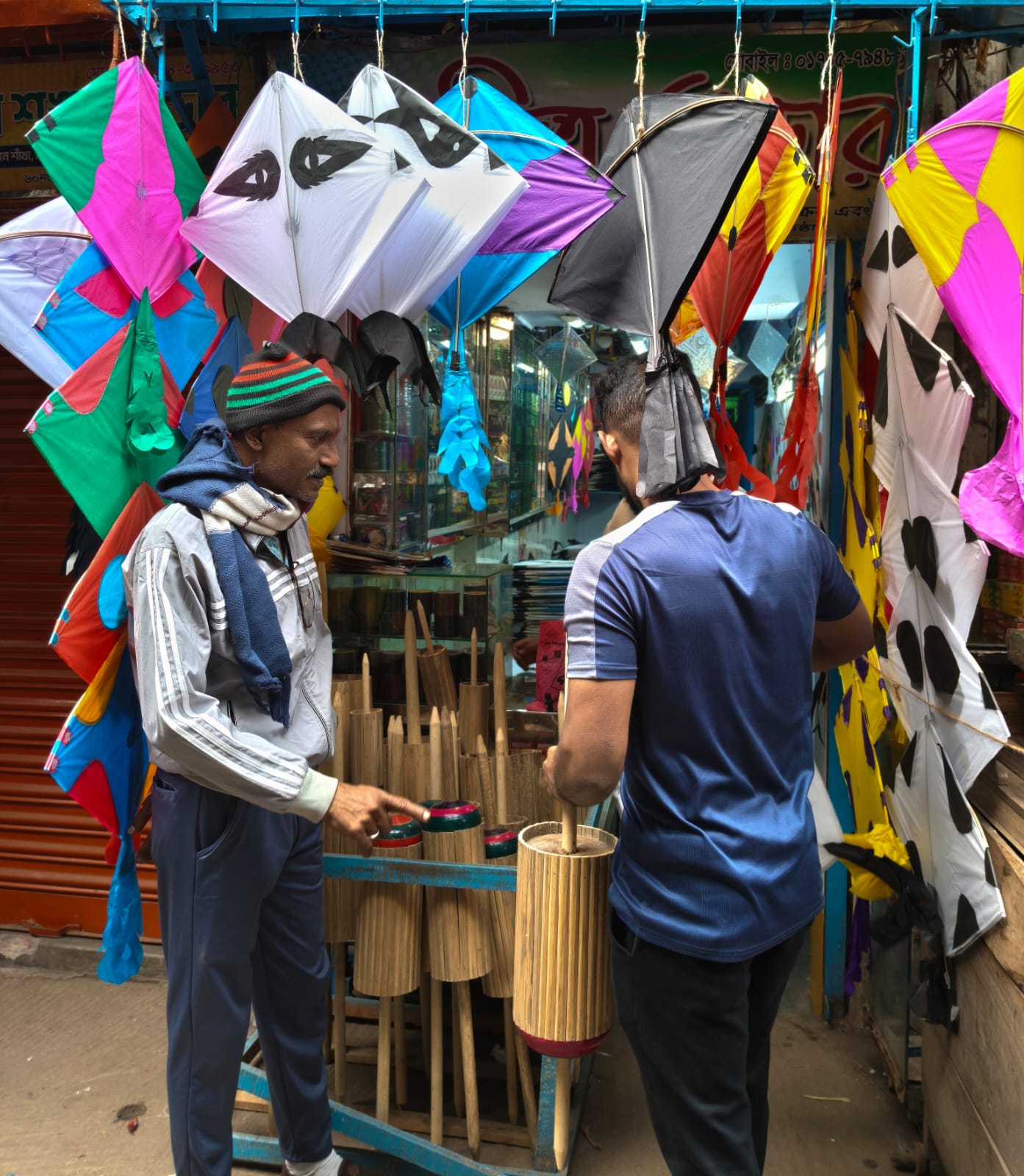
Just before Sakrain, a quiet exchange unfolds inside an old Dhaka kite shop, where buyers and sellers prepare for the sky’s annual celebration. PHOTO: THE DAILY STAR
In recent decades, urbanisation and changing social practices have transformed Sakrain. While some traditional kite-flying customs have declined, the festival continues to thrive in adapted forms. Contemporary celebrations now often include live music, sound systems, and large public gatherings that attract visitors from across the city.
At the same time, certain groups have called for the discontinuation of some of these activities, arguing that they are inappropriate and represent oposongskriti—that is, oshlil practices and cultural degradation. Notably, most of these criticisms do not originate from long-term residents of Old Dhaka. This year, for example, on the eve of Sakrain, posters and leaflets circulated by the Adarsha Samaj Binirman Committee urged people to boycott the festival, portraying it as a non-Islamic cultural practice.
Yet despite these challenges, the people of Old Dhaka—across religious communities—continue to celebrate Sakrain in a festive spirit, inheriting centuries of shared cultural heritage rather than embracing religious exclusion or compartmentalisation.
The continuation of Sakrain represents a remarkable persistence of historical, cultural, and social practices in Dhaka. From its roots in Mughal administration and Nawabi patronage to oral histories of rooftop competitions, gift-giving, and family gatherings, the festival encapsulates the city’s distinctive cultural landscape.
It bridges religious, social, and generational divides, reflecting both the ingenuity and the joy with which Dhaka’s inhabitants have shaped a trans-religious urban festival. Although modern urbanisation has altered the form of Sakrain, its spirit of kite flying and communal festivity continues to soar above the rooftops of Dhaka. Sakrain is more than a festival; it is a living archive of the city’s history, creativity, and enduring social bonds.