Allies under fire: Why do Trump tariffs target South Korea, Japan first?
By starting with close partners, US president aims to warn rest of world no country is immune, analysts say.


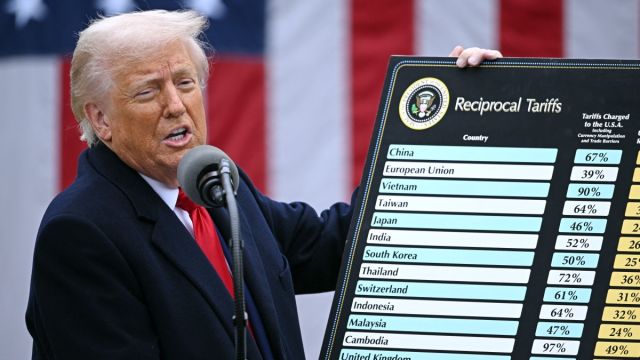
By starting with close partners, US president aims to warn rest of world no country is immune, analysts say.

Major conglomerates are eyeing international students for global operations.
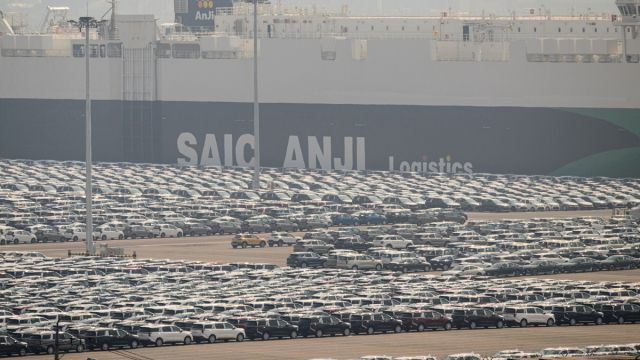
With US President Donald Trump showing no signs of rolling back hefty tariffs during a Sunday interview, industry sentiment is expected to dampen further, observers say.
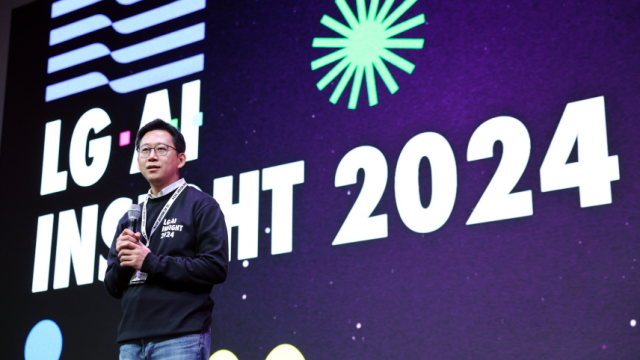
The President tapped AI expert Bae Kyung-hoon, chief of LG AI Research, as the new science minister, and Ha Jung-woo, the head of Naver AI Innovation Center, was appointed as the…
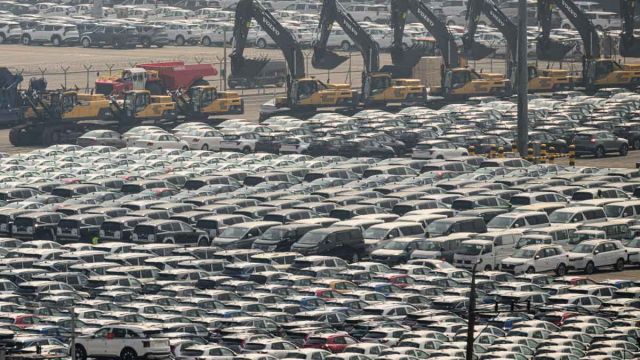
"Korea is back," says new Trade Minister Yeo Han-koo, pledging swift action on US tariff talks.
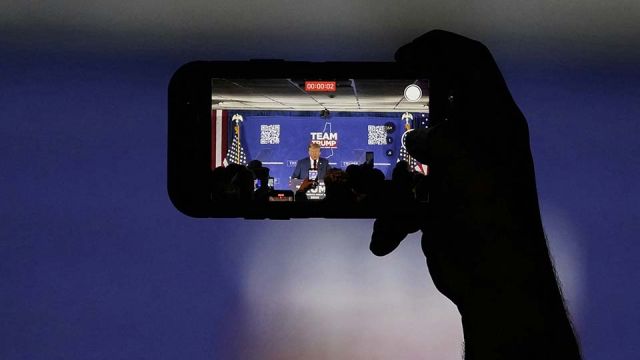
It’s still uncertain whether Trump will actually follow through with the proposed smartphone tariffs, or if his remarks are primarily a strategic salvo aimed at pressuring…
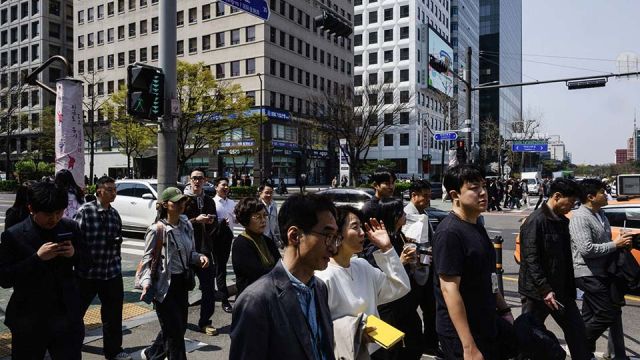
Liberal frontrunner Lee Jae-myung pledges shorter workweek, stirring anxiety among businesses.
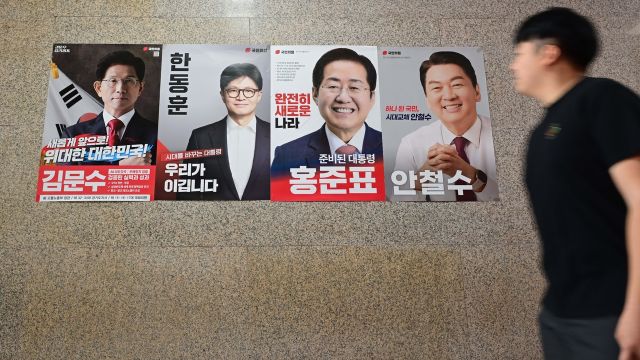
Despite the parade of lofty promises, observers are raising concerns that many of the proposals lack practical details.
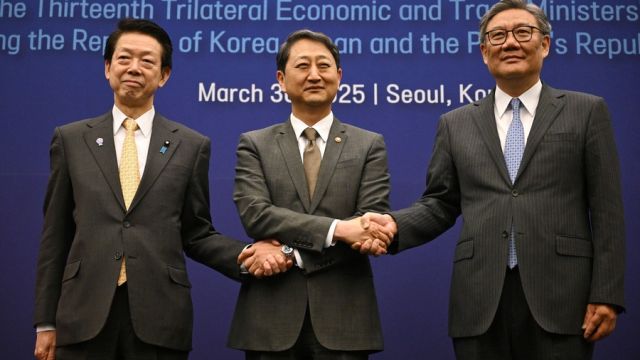
President Trump’s tariffs have pushed South Korea, Japan and China back to the negotiating table. Skepticism remains high, however, despite economic benefits of deal.
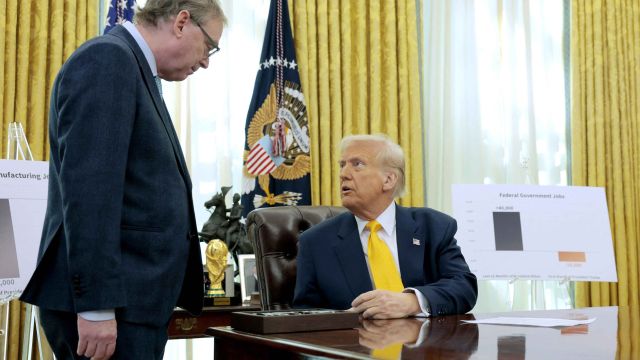
Key officials have been visiting Washington to seek tariff exemptions and request South Korean businesses not face disadvantages.