

June 25, 2026
PHNOM PENH – Cambodian small and medium-sized enterprises (SMEs) are experiencing strong growth, with 738 businesses officially registered with the Ministry of Industry, Science, Technology and Innovation during the first five months of 2026 — an increase of around 40 per cent compared with the same period in 2025.
The surge in SME registrations has coincided with a sharp decline in imports of key Thai products, particularly food and beverages, following a consumer boycott by many Cambodians who have shifted toward locally made alternatives.
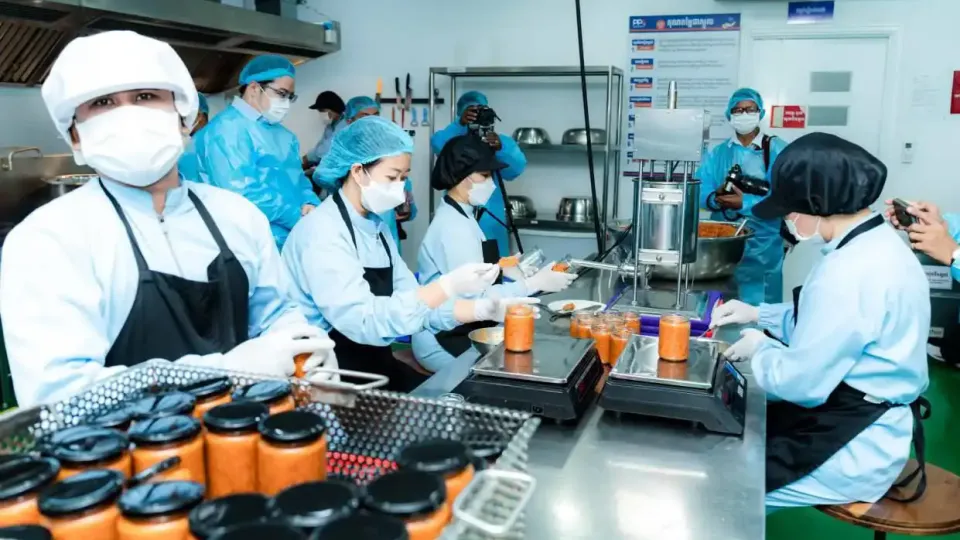
Speaking to The Post on June 24, ministry secretary of state Heng Sokkung said food and beverage producers accounted for the largest share of new registrations, with 399 enterprises established during the period.
The second-largest category was chemical, rubber and plastic industries with 166 enterprises, followed by textile, garment, bag and footwear manufacturers with 65. Metal processing industries accounted for 34, while non-metallic mineral product manufacturers totalled around 20.
“For products, especially food and beverages, Cambodia is producing much more, and many factories and enterprises have continued to emerge compared with businesses in other sectors,” Sokkung said.
“We have increased production and established new factories capable of replacing imports. Some products have already achieved 100 per cent import substitution, while others have reached between 40 and 60 per cent,” he added.
The ministry official said the patriotic sentiment and nationalist spirit behind the boycott of Thai products has created an opportunity for local enterprises to strengthen and expand both their production capacity and quality, while encouraging the establishment of new businesses to manufacture goods that previously relied on imports.
“Since the conflict along the border began until now, sales among our SMEs have increased by about 40 to 45 per cent compared with the period before consumers started the boycott,” he said.
While Sokkung did not provide figures on the number of SMEs that have ceased operations, he did call on Cambodians to continue supporting domestic products under the slogan “Using Cambodian products is an act of patriotism”.