RCEP’s fruits come with challenge of keeping China in check
Besides tariff concessions, the RCEP agreement standardizes rules on investment and e-commerce, among other practices.

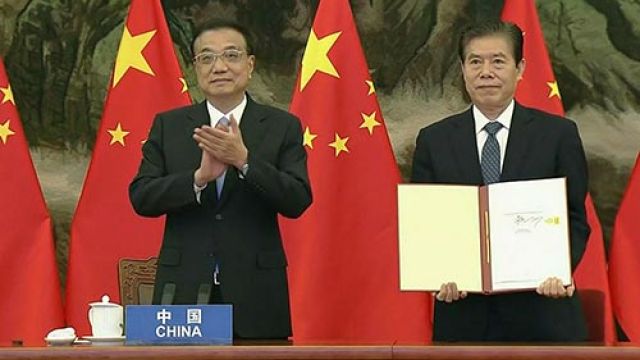
Besides tariff concessions, the RCEP agreement standardizes rules on investment and e-commerce, among other practices.

Sales of electric and hybrid cars have boomed in China, with increases of more than 100 per cent year-on-year in recent months.

The RCEP, the world’s biggest free trade agreement, aims to establish a unified market by reducing tariffs and non-tariff barriers.

Accounting for one-third of the world's economy, the RCEP will eliminate about 90 percent of tariffs on goods traded in the bloc.

Though the economy shrank to VNĐ1.29 quadrillion, revenue collections surpassed the year’s target to reach VNĐ383 trillion.

Companies also raised record levels of capital through fresh stock flotations on the exchange.

The figure accounts for 31 percent of China's total foreign trade value.

Vice-minister of commerce Ren Hongbin said China is ready to fulfill a total of 701 binding obligations under the agreement.

The annual meeting of the Ministry of Finance said the government will scale up tax and fee cuts next year to support struggling businesses.

While generally optimistic, the business players surveyed expressed concern about the protection of company and employee data.