The ‘other’ workers’ tale: Women home-based workers in Indonesia
Home-based workers are predominantly workers without formal contracts, forced to endure poor working conditions.

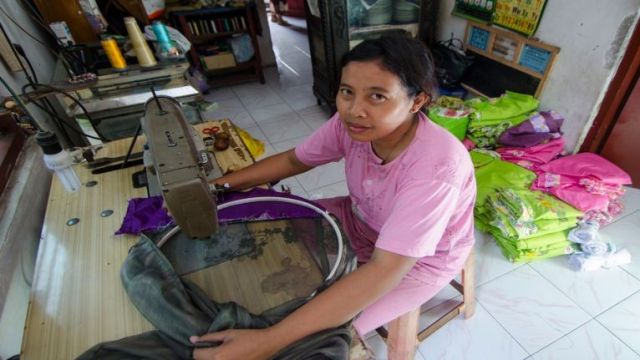
Home-based workers are predominantly workers without formal contracts, forced to endure poor working conditions.
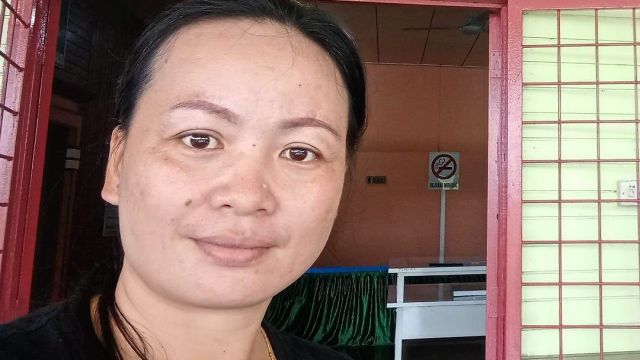
Almost half of Malaysia’s working-age population are women, but only about half (53.5%) of them are in the workforce.
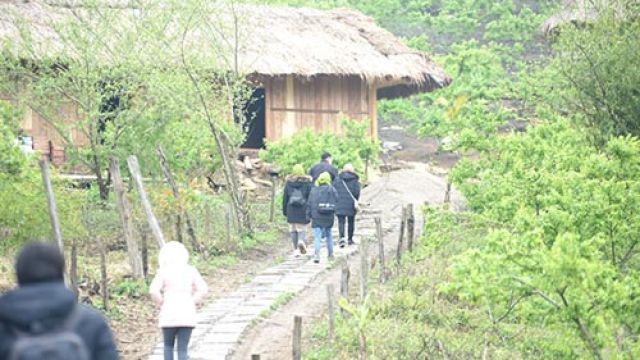
Thanks to training classes on gender equality, the local women have also become more active in village affairs.
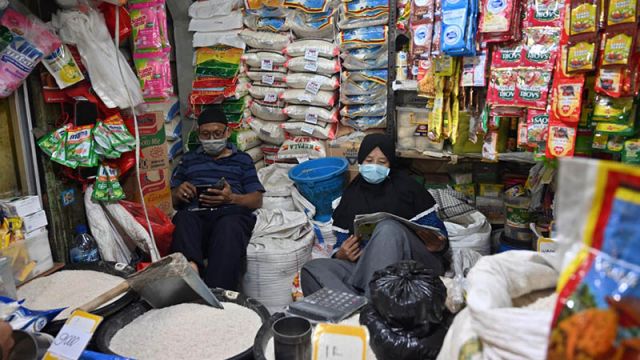
Over 25.7 million Indonesians work in the wholesale and retail trade, accounting for nearly 40% of the whole service workforce.

The government hopes to roll out the system in more than 40 locations nationwide by fiscal 2025.

Despite a heavy workload, a clinic in Sims Drive answers call for PHPCs to extend hours.

The new codes will focus on three areas: child safety, user reporting and platform accountability; and will have the force of law.

The artifacts will be catalogued for preservation as part of the nation’s cultural wealth.

The report said one of the lowest scores for Pakistan was on the indicator measuring laws affecting women’s work after childbirth.
The number of malaria cases has fallen by 97.5 per cent over the period from 2011 to 2021.