

May 22, 2026
TOKYO – Affordable clothing and accessories worn by members of the Imperial family — such as earrings crafted by artisans affected by the 2024 Noto Peninsula Earthquake and traditional Okinawan kariyushi wear — have been drawing attention.
It is hoped that this will spark greater interest in the disaster-affected areas and traditional crafts.
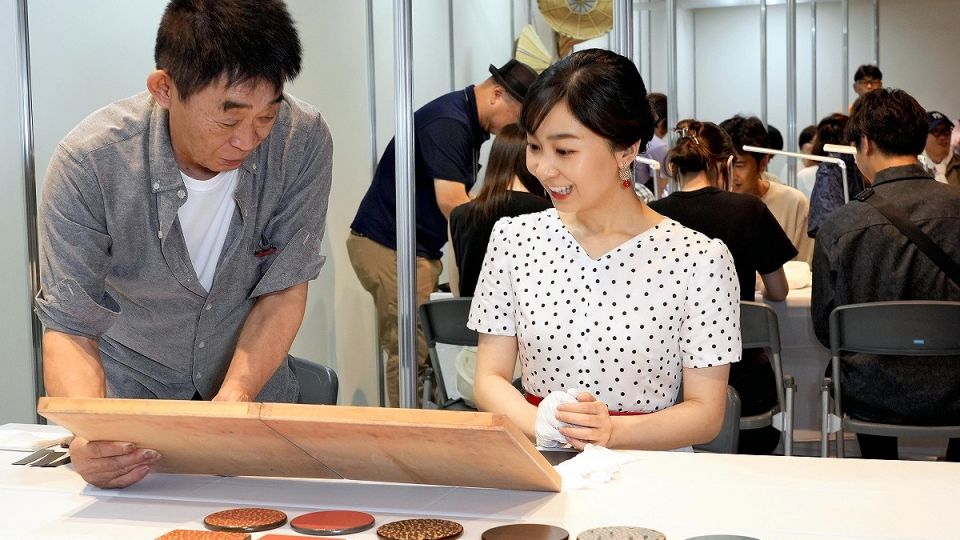
A pair of earrings with a red bead that was crafted with the use of Wajima lacquerware techniques was worn by Princess Kako, the second daughter of Crown Prince Akishino, in August. She was attending the 2025 Osaka-Kansai Expo and spent time examining Tsugaru lacquerware from Aomori Prefecture.
Her earrings were created by Wajima lacquerware artisans Katsumune Masui, 67, and his wife, Yoshimi, 66, of Wajima, Ishikawa Prefecture. Due to the 2024 Noto Peninsula Earthquake, the ceiling of their home and workshop collapsed, and they narrowly escaped death by taking shelter under a kotatsu heated table.
The couple had been working on the pair of earrings that Princess Kako wore at the Expo before the earthquake. They painstakingly applied lacquer to hard, glossy ebony wood and polished it to a high shine. The artisans priced a pair of the earrings at ¥5,500 with the hope that “many people will want to own them.”
Since August, the earrings have been a hot topic on social media, and orders last year exceeded 3,000 — 10 times the usual volume. When the Masuis sent a letter of gratitude to the princess, they received a message of thanks through her aide. The couple said they could sense her sentiment of not forgetting the disaster-stricken areas.
Cloisonne earrings worn by Princess Kako during her visit to Tottori Prefecture in September were handmade at Hamayu, a facility supporting employment for people with disabilities in the city of Sakaiminato, Tottori Prefecture. They cost ¥2,200. Since then, the facility has received about 700 orders. Noriko Wakahara, the 55-year-old director of the facility, expressed her delight, saying, “It’s boosting everyone’s motivation.”
Flood of inquiries
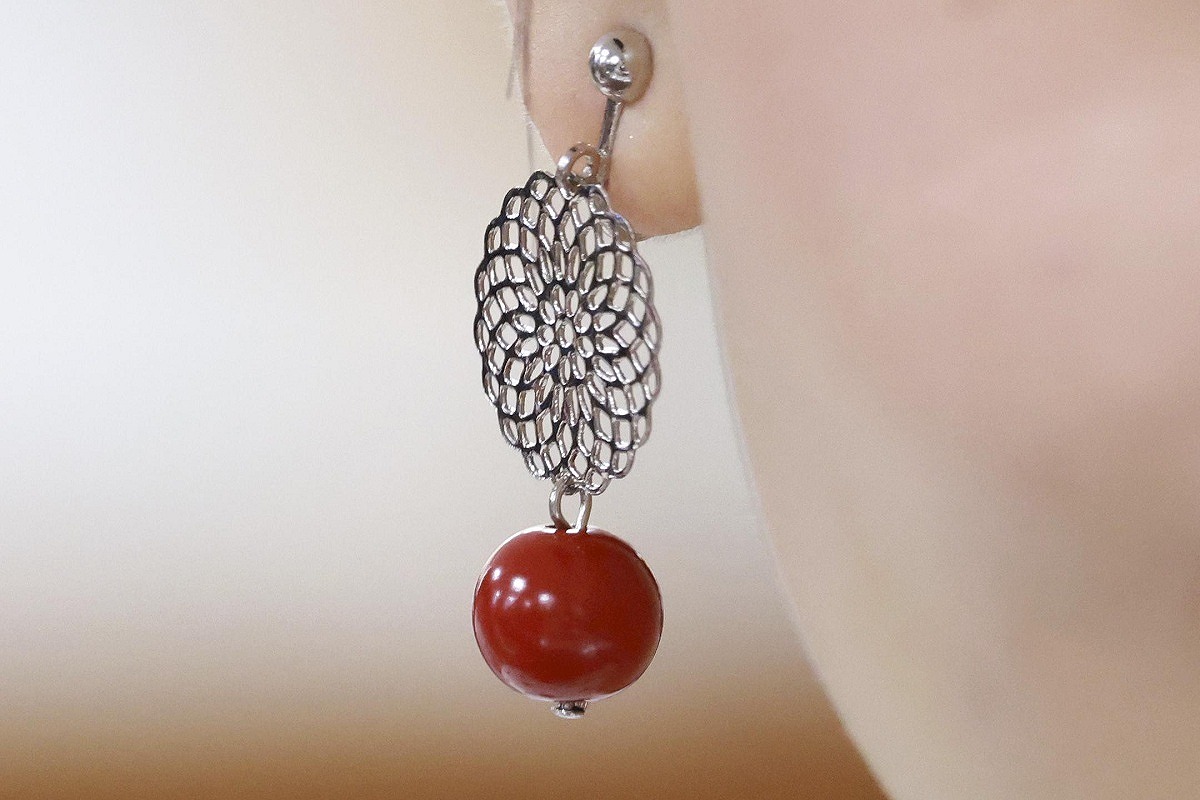
Princess Kako wears the same earrings during her visit to Brazil in June last year. PHOTO: THE YOMIURI SHIMBUN
Members of the Imperial family sometimes reflect their personal sentiments in their attire. In her visit to Okinawa Prefecture, the Empress Emerita wore clothing using traditional Okinawan bashofu woven fabric that had been gifted to her by the prefecture’s residents.
Last year marked the 80th anniversary of the end of World War II, and the Emperor, the Empress and Princess Aiko wore kariyushi wear during a walk while on vacation at the Nasu Imperial Villa in Tochigi Prefecture. Kariyushi is traditional clothing from Okinawa, where fierce battles were fought toward the end of the war.
When the Imperial Household Agency released a video of the walk on its official YouTube channel, their cool, summery attire attracted significant attention, garnering approximately 720,000 views.
Manufacturers in Okinawa Prefecture were inundated with inquiries, on some days receiving as many as 100 calls, leaving them scrambling to keep up. Shirts featuring the same pattern as those worn by the Emperor and Empress reportedly remained in short supply for some time.
According to the prefecture, the number of kariyushi wear items manufactured in 2024 was 340,000, which is only 70% of the peak of 490,000 reached in 2014. Kosuke Otsubo, an employee of a manufacturer, welcomed the publicity that “has spread the appeal [of kariyushi wear] both within and outside the prefecture.”
Over a century of trendsetting
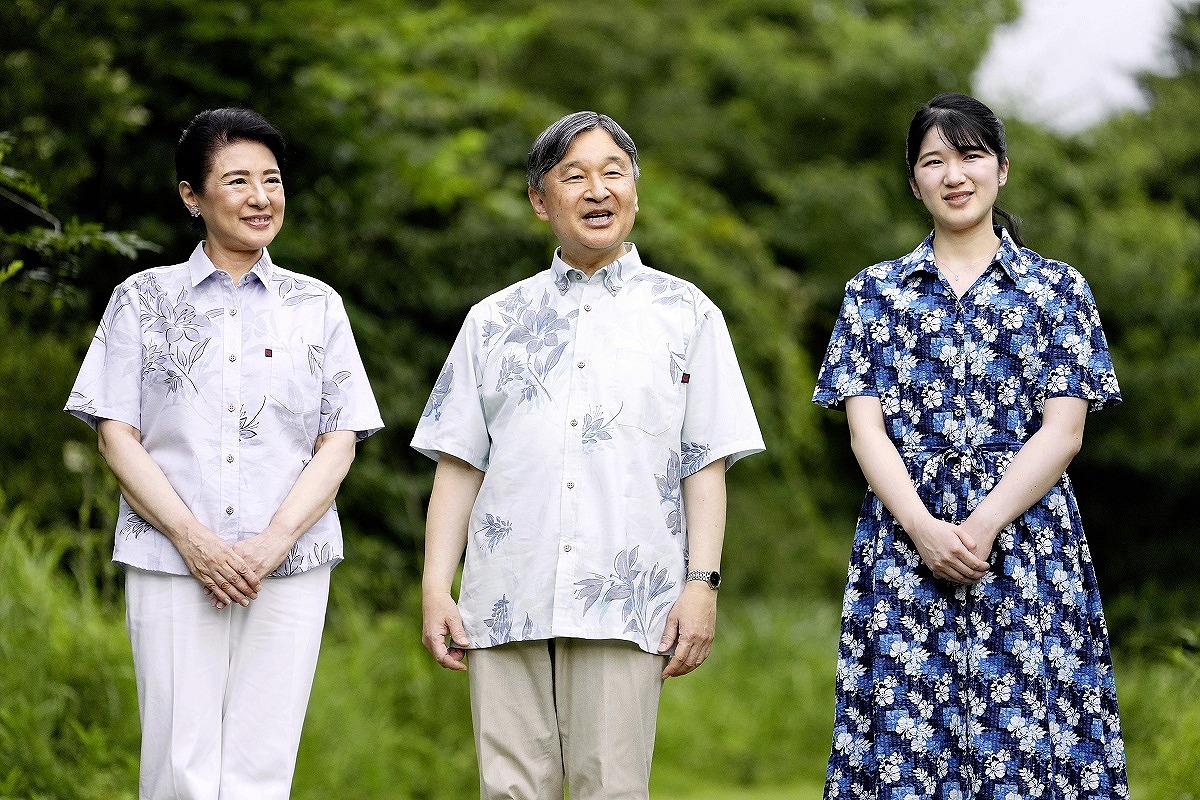
The Emperor, Empress, and Princess Aiko take a stroll sporting Kariyushi wear at the Nasu Imperial Villa in Tochigi Prefecture in July last year. PHOTO: THE YOMIURI SHIMBUN
The Imperial family’s attire has captured the public’s attention since the Meiji era (1868-1912).
In the 1900s, a photography magazine dedicated to the Imperial family, “Kozoku Gaho,” was published. Minako Nagasako, a curator at the Kasumi Kaikan Memorial Gakushuin Museum in Tokyo and a specialist in the Imperial family’s fashion culture, noted, “At the time, members of the Imperial family who wore Western-style clothing were regarded as fashion leaders.”
With a surge in interest connected with the engagement and subsequent marriage in 1959 of the now Emperor Emeritus and Empress Emerita, a headband and fur shawl worn by the Empress Emerita garnered significant attention.
Regarding the growing trend of people seeking out items worn by members of the Imperial family, Nagasako said, “I think seeing them wear items that are familiar to the general public makes them more approachable.”