

June 9, 2026
SEOUL – Every wedding season, online communities for newlyweds in Korea buzz with a familiar question: Is it a bad idea to attend a funeral before my wedding?
Rooted in a traditional belief that attending a funeral before major life events can bring bad luck, the superstition remains surprisingly resilient among young Koreans even in 2026.
In a recent post on Blind, an anonymous online community for office workers, a man set to marry later this month said he had an argument with his fiancee after attending the funeral of his close friend.
The post reads, “My friend passed away unexpectedly ahead of my wedding, and I was having a really tough time. But my fiancee got upset just because I went to the funeral. Does it really make sense to still believe in this kind of superstition? I can respect it, but I don’t think it should be forced on me.”
The long-standing association between death and misfortune can be traced to Korean shamanistic beliefs, which regarded funeral sites as spaces occupied by impure energy or wandering spirits.
In some regions, funeral attendees would sprinkle salt on themselves before entering their homes or wash their hands, to rid themselves of lingering spirits.
Practical concerns may also have played a role in shaping this practice, according to a report by the Korea Folklore Society.
Before modern advances in public health and sanitation, people sometimes fell ill after attending crowded gatherings such as funerals. Lacking a scientific understanding of disease transmission, many attributed such illnesses to the influence of the deceased, reinforcing the notion that funerals could bring bad luck.
The taboo has not been limited to weddings. Traditionally, Koreans also discouraged funeral visits during samchilil, a 21-day period following childbirth. The term literally translates to “three seven days.”
For generations, samchilil has been regarded as a critical recovery period believed to influence a mother’s long-term health. During this time, new mothers are traditionally encouraged to keep their bodies warm, avoid strenuous physical activity and eat miyeokguk, or seaweed soup, to aid recovery. Although even the more plausible of these practices lack strong scientific evidence, they continue as traditions in modern Korea.
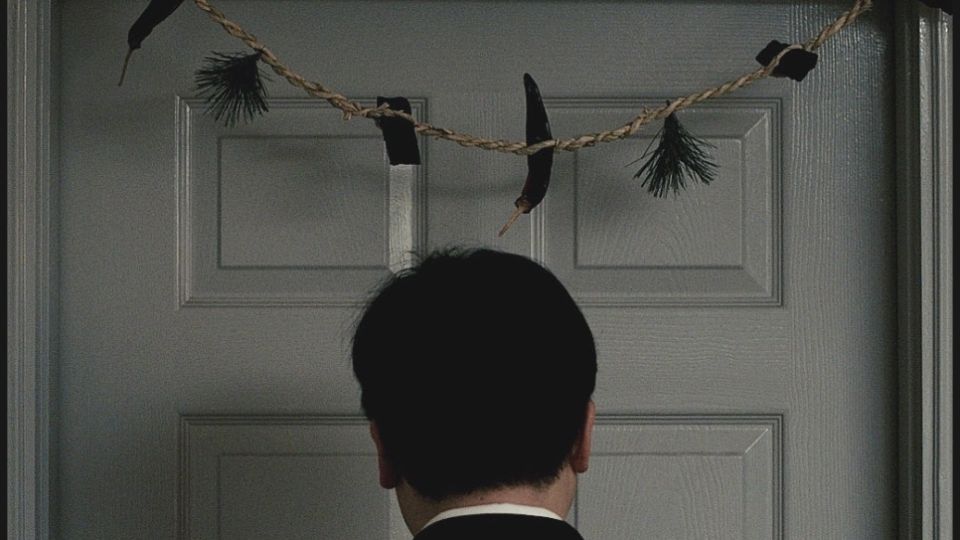
The 2021 film “Seire” explores the superstition regarding funerals through the story of a family with a newborn baby that attends one during the postpartum period and experiences a string of disturbing events afterward.
Some experts say the practice reflects a universal tendency to become risk-averse ahead of significant life events.
“Few people today genuinely believe that attending a funeral will bring serious misfortune. But when people are approaching important milestones such as marriage or childbirth, they often want to eliminate even the slightest possibility of bad luck,” said Jeong Heon-mok, a professor at the Academy of Korean Studies.
“That impulse, combined with Korea’s traditional folk belief that auspicious and inauspicious events should be kept separate, has helped sustain the custom of avoiding funerals.”