

February 5, 2026
SEMARANG – Nearly 2,000 students have suffered food poisoning from the free nutritious meal program this year, despite its zero-incident goal, sparking doubts over the government’s commitment to food safety in the ambitious program.
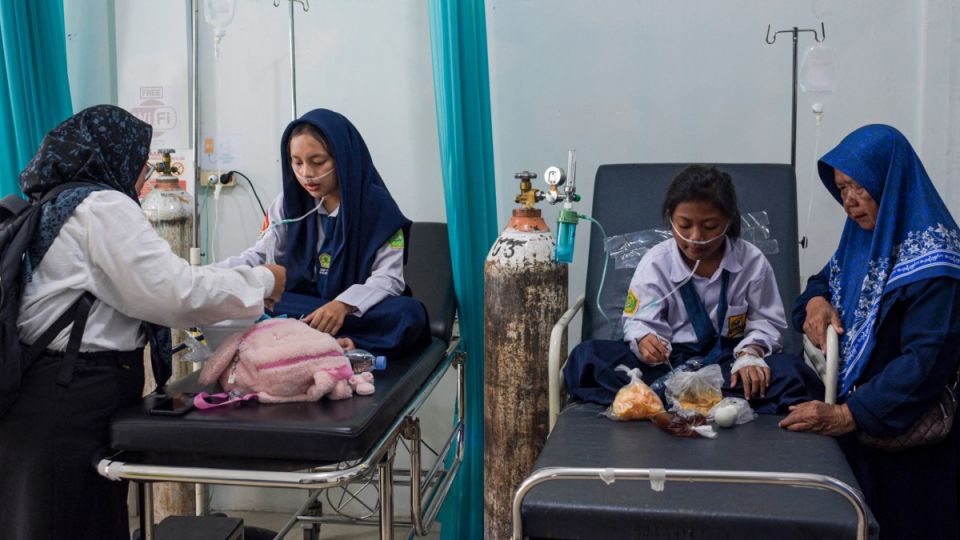
The latest outbreak occurred on Jan. 30 in Muaro Jambi Regency, Jambi, where about 145 students, from kindergarten to high school, fell sick after eating soto (traditional Indonesian soup) provided by a local Nutrition Fulfillment Service Unit (SPPG). Nearly 100 required hospitalizations, and two remained under treatment as of Tuesday.
A day earlier, 134 students in West Manggarai Regency, East Nusa Tenggara (NTT), reported symptoms of food poisoning after consuming stir-fried chayote, bok choy, bean sprouts and boiled eggs provided by the government. Some students said the vegetables smelled off and appeared spoiled.
On Jan. 28, roughly 540 students and teachers at a high school in Kudus, Central Java, suffered diarrhea, nausea and dizziness after eating meals of soto, rice and fried tempeh under the free meal program. Forty-six students were hospitalized.
Dadan Hindayana, head of the National Nutrition Agency (BGN), has apologized for recent food poisoning cases linked to the government’s free meals program, saying operations at all involved SPPGs have been suspended pending investigation.
“I apologize to the beneficiaries who experienced this unpleasant incident. We have conducted investigations and analyses of the SPPG involved,” Dadan said on Monday as quoted by Kompas.com.
He said one SPPG will receive a “yellow card” for serious violations, including outsourcing food to outside parties, which prevented proper monitoring of the cooking process. While he did not clarify the penalties of the yellow card, Dadan promised strict measures to ensure students receive safe, high-quality meals.
The agency head also said menus would be reviewed to reduce the risk of future food safety incidents.
President Prabowo Subianto launched the free meals program on Jan 6, 2025, as one of his flagship initiatives aimed at addressing the country’s chronic stunting problem.
Since its launch, however, the program has been plagued by a series of food safety incidents, with more than 15,000 students reported to have suffered food poisoning between January and November last year, according to the Center of Economic and Law Studies (CELIOS).
Amid mounting public pressure to suspend the program, the BGN tightened food safety protocols in October, introducing measures including mandatory health certification for SPPGs.
Currently, only 32 percent of the 21,102 SPPGs preparing meals for the program have received food safety certification, with the BGN working to gradually increase that number.
In January, the BGN announced that it would conduct accreditation and certification of all SPPGs nationwide starting this year to further improve food safety. The process will be carried out by an independent third party and will assess nutritional standards, hygiene and overall food safety. Incentives for certified kitchens or program partners will vary based on their audit performance.
The BGN’s Dadan previously said the measures were part of the agency’s effort to eliminate food poisoning incidents entirely this year.
Despite ongoing criticism over food safety, President Prabowo has continued to defend the free meal initiative.
“If we compare the number of students affected by food poisoning to the total meals delivered, the rate is only 0.008 percent. That means 99.99 percent of the program has been successful,” he said on Monday, as quoted by Detik.com.
Prabowo added that the program currently provides meals to around 60 million students daily, and the government aims to expand it to 82 million students by the end of the year. (nal)