

January 21, 2026
HANOI – Việt Nam’s cultural and natural treasures recognised by UNESCO are getting a fresh imprint with the publication of a new book that brings the country’s heritage into sharp focus.
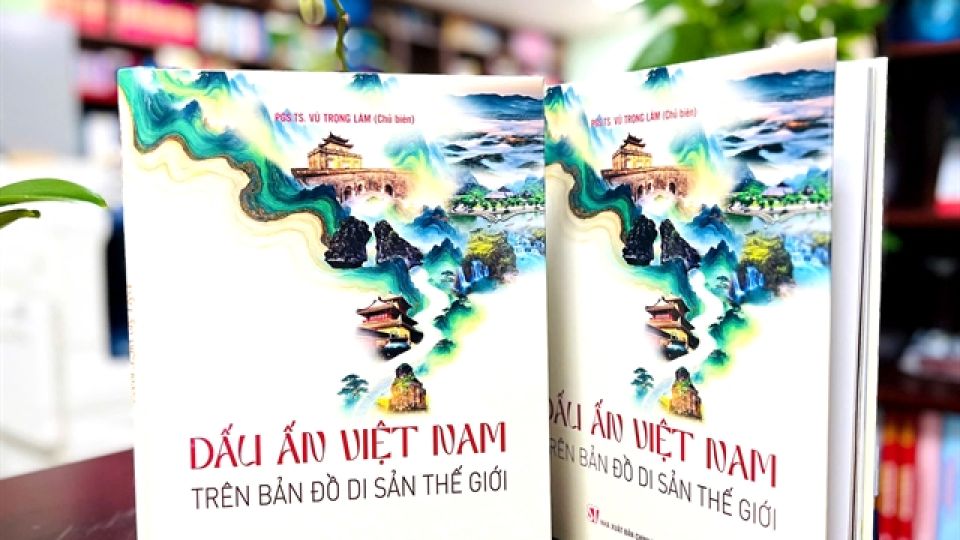
Entitled Dấu Ấn Việt Nam Trên Bản Đồ Di Sản Thế Giới (Việt Nam’s Imprint on the World Heritage Map) and published by the National Political Publishing House – Truth, the book takes readers on an inspiring journey through 50 UNESCO-recognised heritage sites. It highlights the unique values that shape Việt Nam’s cultural identity and places them within the broader flow of human civilisation.
The foreword describes heritage as the sacred memory of humanity, a continuous stream linking layers of the past with the rhythm of the present and the aspirations of the future. Each site bears traces of human creativity, intellect and spirit, while reflecting the collective strength of communities in safeguarding and enriching the values that define national identity. Heritage, it notes, is not simply architecture, festivals or landscapes, but the essence of a people, a story of memory and the pursuit of sustainable development.
Vũ Trọng Lâm, PhD, director and editor-in-chief of the publishing house and chief editor of the book, said: “Each heritage site – whether an architectural work, natural landscape, traditional art form, or documentary record – carries within it the story of time and the imprint of many generations of Vietnamese people.”
Through these sites, Việt Nam not only affirms its distinctive values but also contributes meaningfully to the shared treasury of human civilisation.
In today’s context, heritage plays an increasingly vital role as a form of “soft power”, enhancing national standing, fostering cultural exchange, and expanding international cooperation. PHOTO: COLLECTED/VIET NAM NEWS
To offer readers a comprehensive view of the enduring vitality of Vietnamese culture, the book presents 50 exemplary heritage sites arranged chronologically by the order of their UNESCO recognition.
They are grouped into five sections: World Cultural and Natural Heritage; Intangible Cultural Heritage; Documentary Heritage under the Memory of the World Programme; World Biosphere Reserves; and Global Geoparks.
Highlights include natural wonders such as Hạ Long Bay and the Tràng An Scenic Landscape Complex; historic and architectural treasures like the Imperial City of Huế and the Ancient Town of Hội An; intangible cultural expressions including Huế Court Music and the Worship of the Mother Goddess of Three Realms; and geological marvels such as the Đồng Văn Karst Plateau Global Geopark.
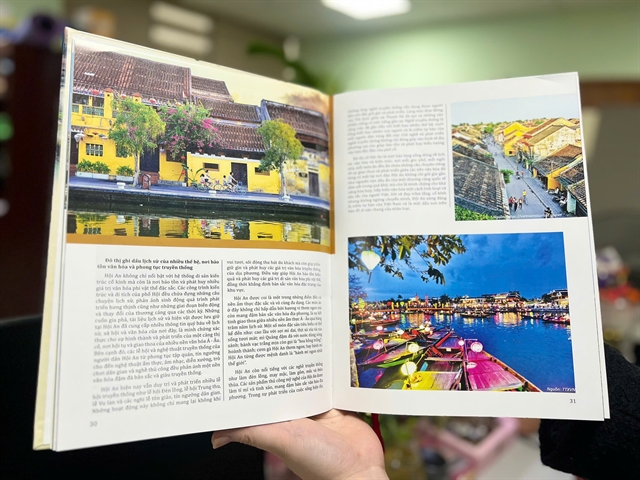
Spanning 332 pages, the book features a modern design enriched with carefully curated, striking images. It provides systematic information and documentation on the preservation and promotion of Việt Nam’s heritage, while encouraging readers to explore diverse regions, discover unique stories and appreciate the spiritual and material treasures shaped over thousands of years of history. The result is a cultural experience that is both informative and deeply engaging.
Beyond showcasing heritage, the book highlights the ongoing process of safeguarding and enhancing Việt Nam’s cultural values. It contributes to raising public awareness, strengthening attachment to the homeland, nurturing national pride and fostering community consensus in the shared effort to protect heritage.
As Lâm emphasises, heritage can only truly endure when it is respected and collectively safeguarded by the community. It can reach wider audiences, he says, only when it is promoted and presented in a scientific yet engaging manner, both at home and abroad.
A deeper understanding of heritage’s sustainable values, he argues, strengthens confidence and fuels aspirations to lead the nation into a new era of resurgence, rapid yet sustainable development and the building of a strong and prosperous Việt Nam.

The book is enriched with carefully curated, lively images. PHOTO: COLLECTED/VIET NAM NEWS
The recognition of Việt Nam’s heritage by UNESCO is not only a source of national pride but also vivid evidence of policies pursued by the State to preserve and promote cultural values in line with sustainable development goals.
In today’s context, heritage is playing an increasingly important role as a form of soft power, enhancing national standing, fostering cultural exchange and expanding international cooperation.
Against this backdrop, Dấu Ấn Việt Nam Trên Bản Đồ Di Sản Thế Giới makes a meaningful contribution to promoting the image of Việt Nam and its people as a nation rich in cultural identity, welcoming and friendly, one that values its past, shapes its present and looks confidently to the future.vf