Singapore’s economic growth slows to 3.8% in 2022; outlook darkens for 2023
The fourth-quarter slowdown came on the back of a 3 per cent year-on-year contraction of the key manufacturing sector.


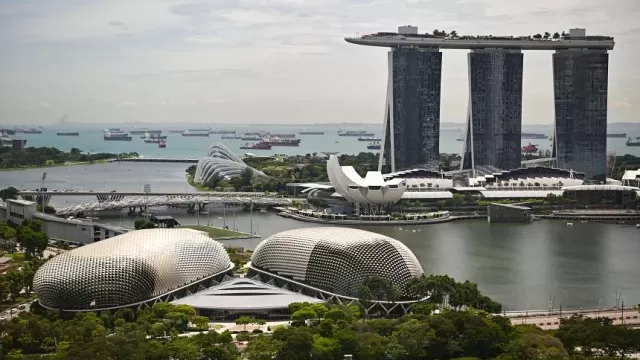
The fourth-quarter slowdown came on the back of a 3 per cent year-on-year contraction of the key manufacturing sector.
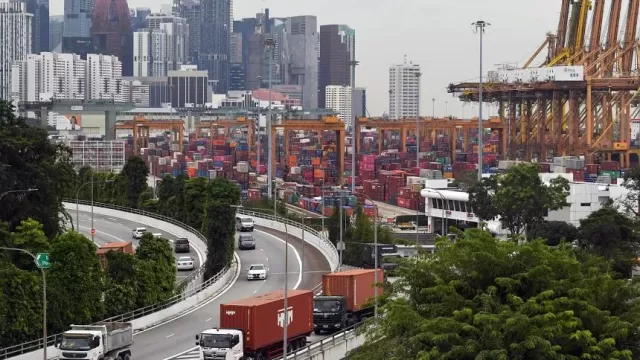
The economists also raised their forecast for inflation both this year and next, as price pressures continued to pose a concern.

The downturn began when the US Securities and Exchange Commission announced it would begin to impose regulations on crypto firms, setting the stage for a broad sell-off.
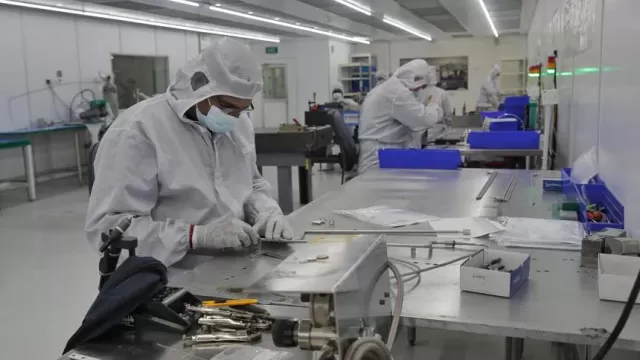
Singapore supplies 11 per cent of the world’s semiconductors and 20 percent of chip-making equipment.
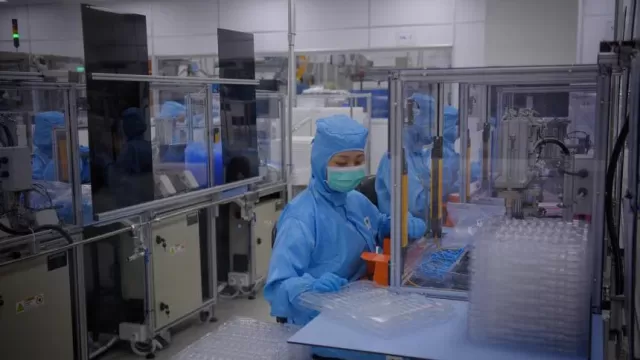
The manufacturing decline follows a second month of contraction in the electronics sector, which represents 40 per cent of Singapore's industrial output.
The bank said that in Asia, Singapore is already second to only Australia, whose share of millionaires per population stood at 8 per cent in 2021.
One of the world's top investors, Singaporean state holding company Temasek said in its annual review that it had invested $61 billion in the year ended March 31, 2022.

Singapore's robust manufacturing performance in April was in line with similar PMI gains by some of its Asian peers.

Analysts said the quarterly gain shows that economic growth picked up momentum despite the global Omicron variant surge.
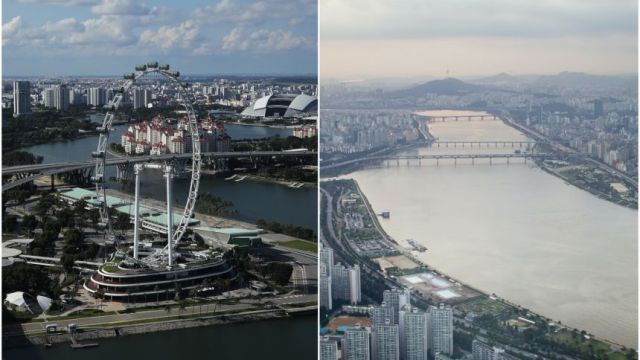
The new rules and norms will allow digital infrastructure in both countries to exchange information and data.