

July 7, 2026
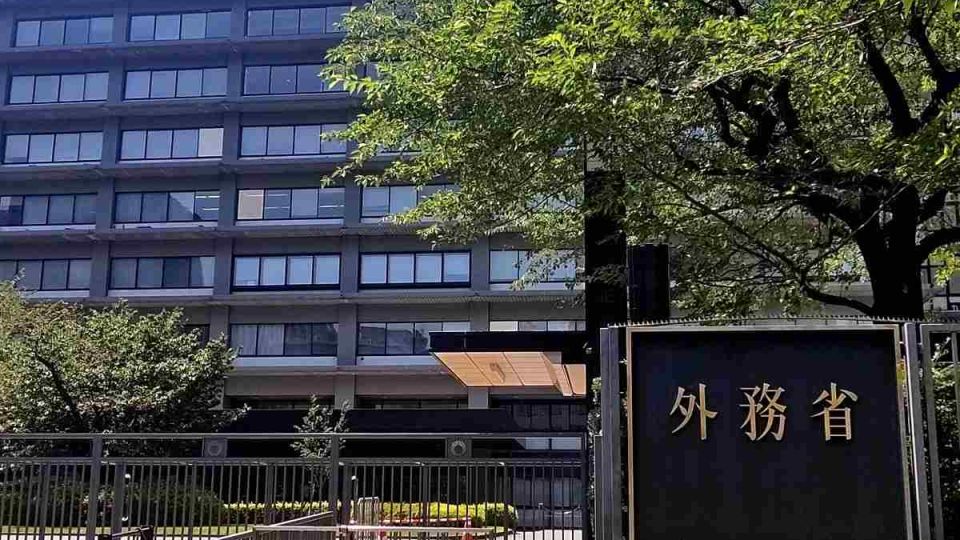
TOKYO – The Foreign Ministry will launch an initiative to promote Japanese philosophy and thought overseas and use it to support diplomatic efforts. It plans to produce pamphlets explaining Japanese philosophy by the end of this fiscal year and dispatch lecturers abroad.
The goal is to increase the number of Japan experts in the international community and thereby create an environment where Japanese opinions are more readily accepted.
The Japan Foundation, an independent administrative agency dedicated to promoting Japanese culture, will oversee the project. The foundation will consider dispatching researchers overseas to engage in activities such as giving lectures to government officials and diplomats in foreign countries, as well as to engage with Japanese studies scholars in those nations. The scheme is envisioned as targeting emerging and developing countries in the Global South, including India and nations in Africa and Southeast Asia.
Japanese philosophy is known for its emphasis on dialogue and is said to be characterized by a fusion of Western philosophy and traditional Eastern schools of thought, such as Buddhism and Shinto. The ideas include the philosophy of Prince Shotoku (574-622), which emphasizes mutual empathy and places a high value on “wa,” or harmony. Also included are viewpoints such that of philosopher Tetsuro Watsuji (1889–1960), who argued that human existence grows out of interpersonal relationships.
“For emerging and developing nations that have had values imposed upon them by major powers such as the United States and China, Japanese philosophy, which seeks harmony, will be easy to accept,” a ministry official said. The ministry also expects that ideas such as veneration of nature, which underlies some globally popular Japanese films and anime, can be utilized as “diplomatic tools.”
As a first step, the ministry will invite a university professor from the United Sates who studies Confucian scholars from the early modern period of Japan to give a lecture in Tokyo in late July. The ministry plans to continue organizing lectures by overseas researchers and opportunities for them to exchange views with Japanese scholars, with the aim of capitalizing on these interactions to dispatch lecturers from Japan to other countries and produce explanatory pamphlets.